Building Affection and Community: How Teamwork in Firefighting Enhances Wildfire Prevention and Safety
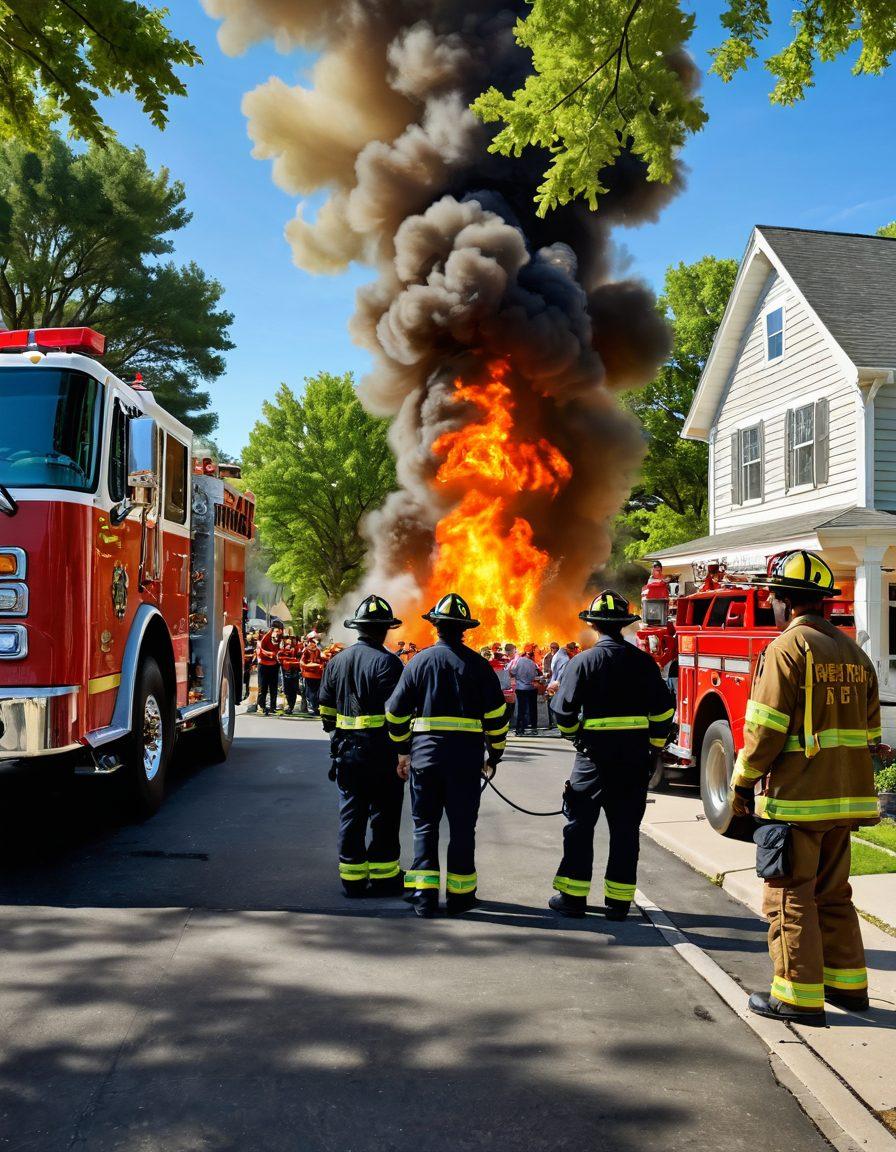
In the face of roaring flames and impending disaster, there lies an undeniable truth: the heartbeat of an effective wildfire response is not only about mechanical efficiency, but deeply rooted in the affection shared among firefighters. These brave individuals often see themselves as more than just a group of colleagues; they become a family united by a common goal—protecting lives and safeguarding the environment through successful wildfire management. They embody a commitment to community involvement, fueled by an innate fondness for their neighbors and the land they cherish. Can you imagine facing a wildfire without the bonds of trust and teamwork that knit these heroes together?
In wildfire management, every second counts. As flames lick at the edges of forests and threaten communities, how do firefighters prepare to confront the chaos ahead? Their strength lies in the relationships they've fostered, built on the foundation of shared experiences, challenges, and victories. These bonds allow for quick decision-making and seamless communication in emergency response situations. A close-knit team responds better and with more efficiency during a crisis. As the old saying goes, "Unity is strength"—and in the heart of wildfire prevention, that unity translates to lives saved and properties protected.
Looking beyond the flames, the collaboration seen in firefighting can serve as a vital lesson in disaster management for communities. For instance, when local residents engage in fire safety initiatives, practicing outdoor safety and emergency preparedness, they take proactive steps in protecting their homes. Community involvement nurtures a sense of environmental stewardship, illustrating how shared fondness for the land can lead to actions that mitigate risk reduction. Have you ever thought about participating in such initiatives? Taking part in local wildfire prevention programs can deepen your connection to the environment while actively contributing to its protection.
Moreover, these relationships extend further into public awareness campaigns. When firefighters speak to audiences about fire ecology and the necessary sustainable practices for minimizing wildfire risk, their genuine adoration for nature and people shines through. The passion they convey can convert apprehensive listeners into engaged participants in wildfire prevention efforts. For instance, imagine a community workshop led by local heroes eyeing the importance of preserving our forests—who wouldn’t want to listen to a firefighter share their tales of bravery and love for the earth?
In conclusion, the beauty of fostering affection and strong bonds within firefighting teams reverberates far beyond their immediate circle—spreading towards broader community efforts and enhanced wildfire management. The resultant teamwork in firefighting is vital not only in emergencies but serves as a lasting framework for cultivating safe and cohesive communities. This is a call to action for every individual: let’s be a part of our local firefighting family, united in our quest for safety and environmental protection. When communities come together, the likelihood of overcoming natural disaster response challenges significantly increases. What will you do to foster these bonds in your community?
From Firefighters to Friends: Building Community Bonds for Safer Environments
When we think of firefighters, we often picture brave individuals battling flames, putting their lives on the line for the community. But beyond the heroic deeds and daring rescues lies a profound essence of teamwork in firefighting that goes much deeper—into the heart of community bonds. Building affection and fondness among firefighters not only enhances their efficiency during emergencies, but it also fosters an environment where wildfire prevention and safety can thrive. The connection between firefighters as friends creates an undeniable impact on their collective response to wildfire management and environmental stewardship.
Have you ever wondered how a simple act of camaraderie can drastically transform the landscape of emergency response? Imagine a group of firefighters, bound not just by their duty but by genuine care and support for one another. They share stories, laugh together, and even relish each other’s company during downtime. This affectionate bond transcends the physical training and strategic operations required to combat wildfires, cultivating a community that not only saves lives but prepares them for the risks associated with natural disasters. As the saying goes, "Alone we can do so little; together we can do so much." How can we implement this teamwork beyond the fire station?
Community involvement plays a vital role in wildfire prevention. When firefighters connect with their neighbors and schools, they adore sharing vital public awareness about fire safety practices and emergency preparedness. Engaging local residents doesn’t just create a sense of shared responsibility for protecting the community; it provides a bridge to disaster management strategies. Consider this: by nurturing relationships with local constituents, firefighters can turn residents into frontline defenders who understand fire ecology, risk reduction, and outdoor safety, making the overall environment safer for all.
Moreover, affection between firefighters enhances morale during challenging times. Each disaster brings not only physical stress but emotional tolls as well. Through the support network created within the firefighting community, they uplift one another—transforming fear into motivation while fostering resilience. In the heat of the moment, something as simple as a smile or a reassuring word exchanged could make all the difference. With so many wildfires threatening our environment, can we not embrace the idea of shared burdens? The lessons learned from past disasters pave the way for sustainable practices and innovative strategies in wildfire management.
In essence, building community bonds among firefighters and residents sets a powerful precedent for environmental protection. As affection flourishes, we see an amplified response to challenges that threaten our land—from the flames that consume it to the policies that govern its care. When we look at our firefighters, we don’t just see emergency responders; we see friends who are passionate about service and safeguarding our earth. When your neighborhood firefighter knocks on your door, will you be ready to embrace this alliance for a safer, more resilient community?
Team Up for Safety: How Affectionate Collaboration Prevents Wildfires
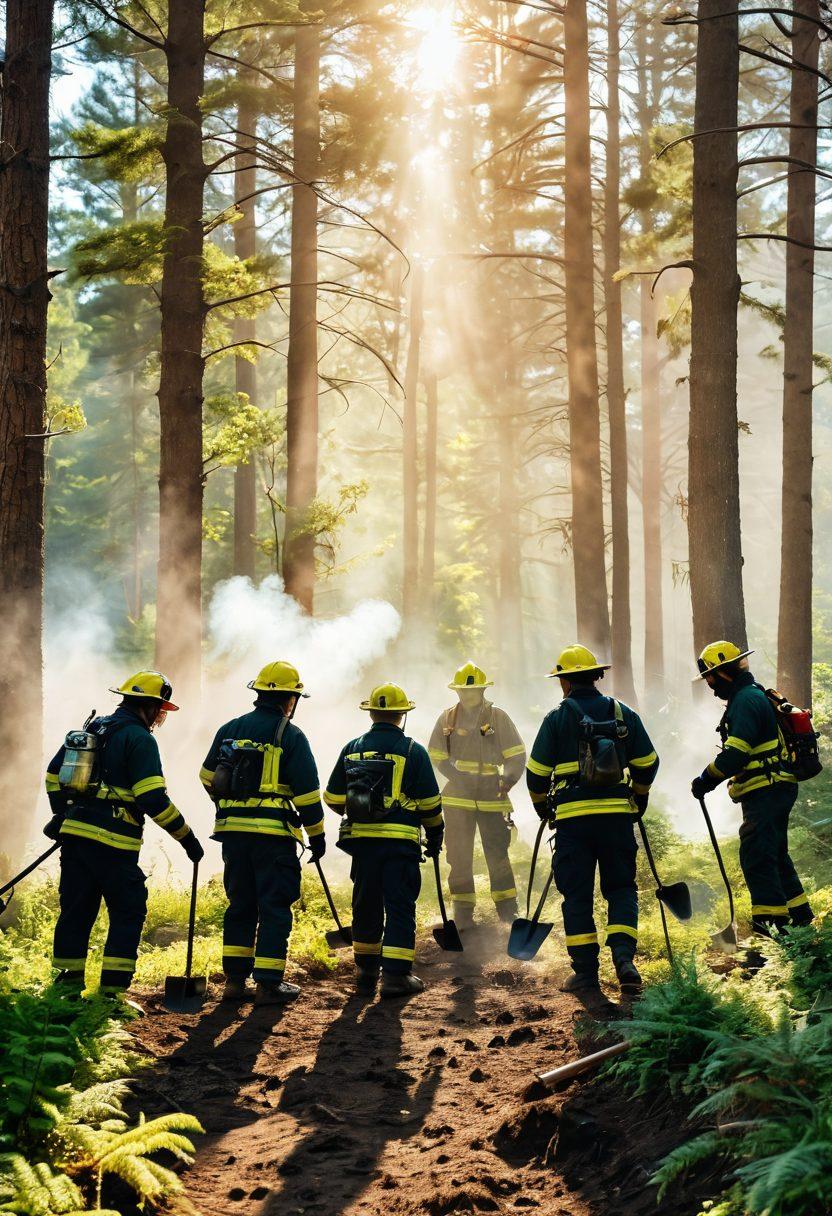
In a world where wildfires have become an increasingly frequent danger, the collaboration and affection between firefighters can make all the difference. This teamwork in firefighting is not just about fighting flames; it's about fostering a sense of community that ultimately leads to more effective wildfire management. Imagine a group of firefighters, bound not only by their training but also by a deep fondness for one another and a shared commitment to environmental protection. Their dedication and camaraderie create a stronger force against the wildfires threatening landscapes and communities. How can we nurture this affectionate collaboration to enhance wildfire prevention?
At the heart of every successful emergency response is not just skill or training, but a genuine affection among team members. When firefighters adore their work and each other, it builds trust and understanding. This bond translates into efficient communication and quick decision-making during critical situations. Can you recall a time when working with others who are passionate made all the difference in your performance? The goodwill fostered through collaboration spills over into communities, enhancing public awareness around fire safety and emergency preparedness. As communities learn more about the risks of wildfires, they too can contribute to disaster management efforts.
Community involvement plays a vital role in wildfire prevention strategies. Firefighters and community members can come together to create programs that promote outdoor safety and educate residents about fire ecology. When firefighters take a step beyond their traditional duties and engage with local communities, they effectively empower them to adopt sustainable practices in their daily lives. It’s a system of give and take, where affection and fondness for the environment drive commitment to risk reduction. The question we must ask ourselves: How can we all participate in protecting our wilderness while supporting our firefighters?
Building affection and teamwork within firefighting establishes a solid foundation for tackling the challenges of modern disasters. With the rise of climate change and its impact on wildfire behavior, the collaboration between firefighters has never been more essential. They are the frontline warriors, and transformation is vital in adapting their techniques for emerging situations. Each training session serves not only to improve skills but also to solidify relationships among team members. Through such nurturing environments, they prepare themselves better for the unpredictability of wildfires.
Ultimately, the synergy formed through affectionate collaboration among firefighters fosters a culture of environmental stewardship that extends beyond the blaze. Their teamwork becomes a model for sustainable practices, inspiring those around them to adopt new ways of thinking about wildfires and their prevention. The lessons learned can lead to systemic changes in how we approach natural disaster response and offer safer, more resilient communities. So, the next time you see firefighters at work, remember that their bond goes deeper than their uniforms – it embodies the passion, dedication, and affection for each other and the world they protect. Here’s a chance for everyone to reflect on their place in this ecosystem of collaboration, perhaps paving the way for a future where wildfires are no longer viewed as natural disasters, but as challenges we can collaboratively overcome.